Echoes from Afar
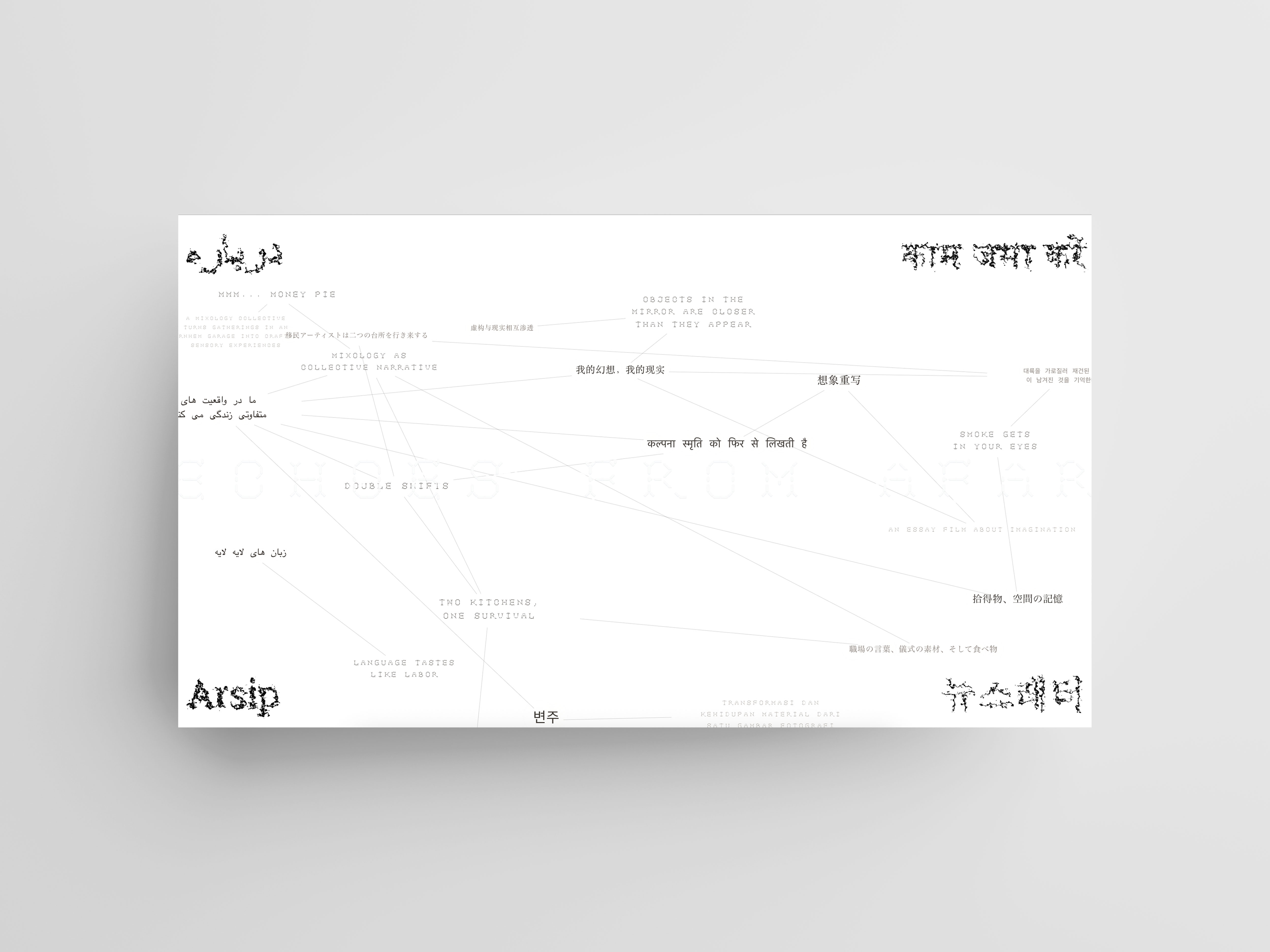
Echoes from Afar transcends the conventional boundaries of a website to emerge as a gentle deconstruction of traditional, unidirectional storytelling. Through texts authored by the artists, functioning simultaneously as spatial anchors and narrative threads, audiences are invited into a realm where they may move fluidly across nonlinear time and through the divergent trajectories of individual lives.
In place of a static navigation bar, the interface is guided by a Drifting Compass: a floating element that drifts across the screen, offering orientation not only through time and place, but also through mood, allowing each visitor to find their own way in.
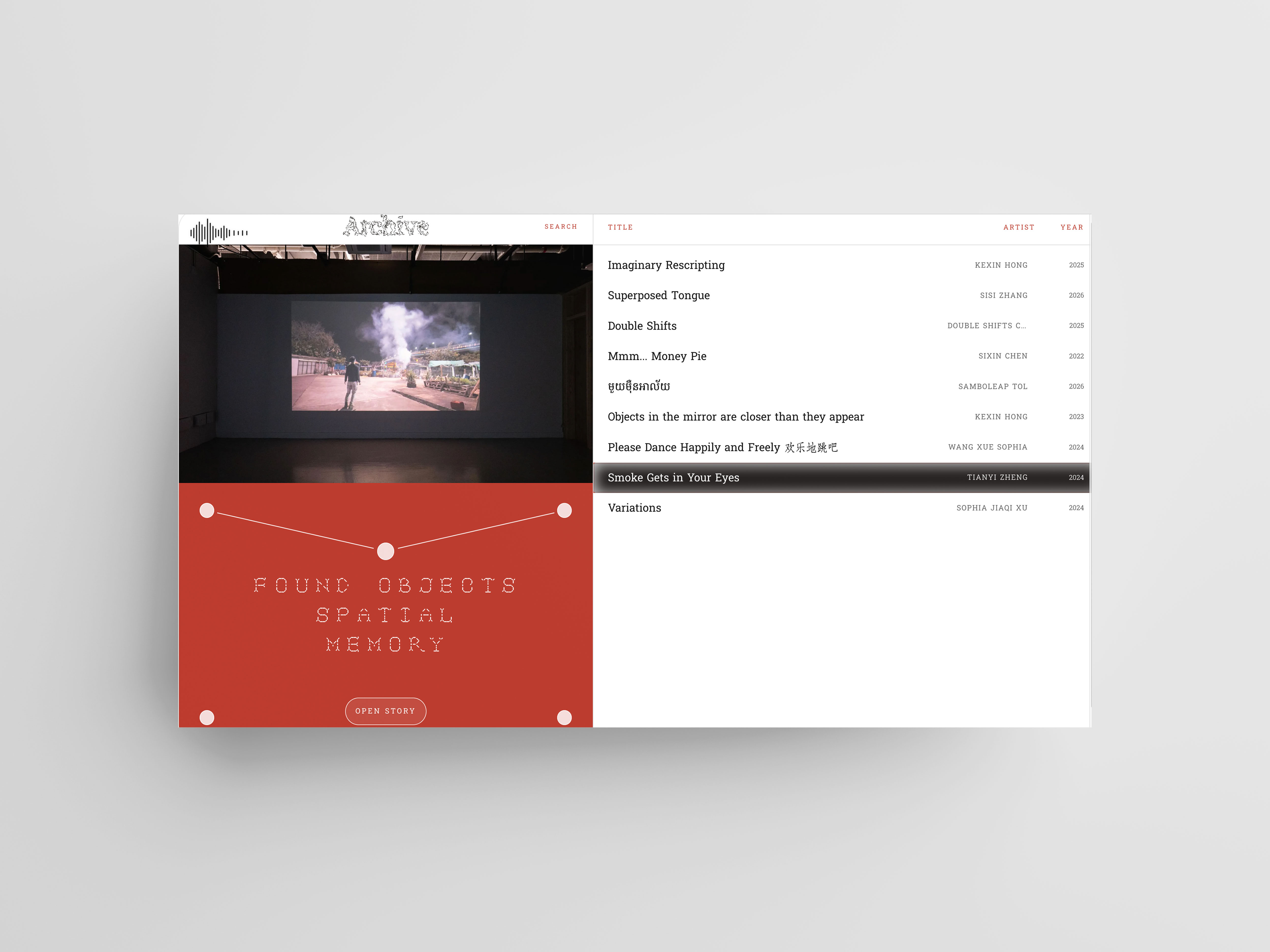
Realized as an open-source, living online archive with the support of the Creative Industries Fund NL (Stimuleringsfonds), Echoes from Afar is an endeavor to dismantle the stereotypes so often imposed upon Asian communities in the Netherlands through structural informational disparities. In its approach to storytelling, the project seeks to safeguard the integrity of personal narratives, to cultivate plurality and openness in how stories surface and circulate, and to lay the groundwork for a living archive that makes space for richer, more textured forms of visibility in place of flattened or reductive images.
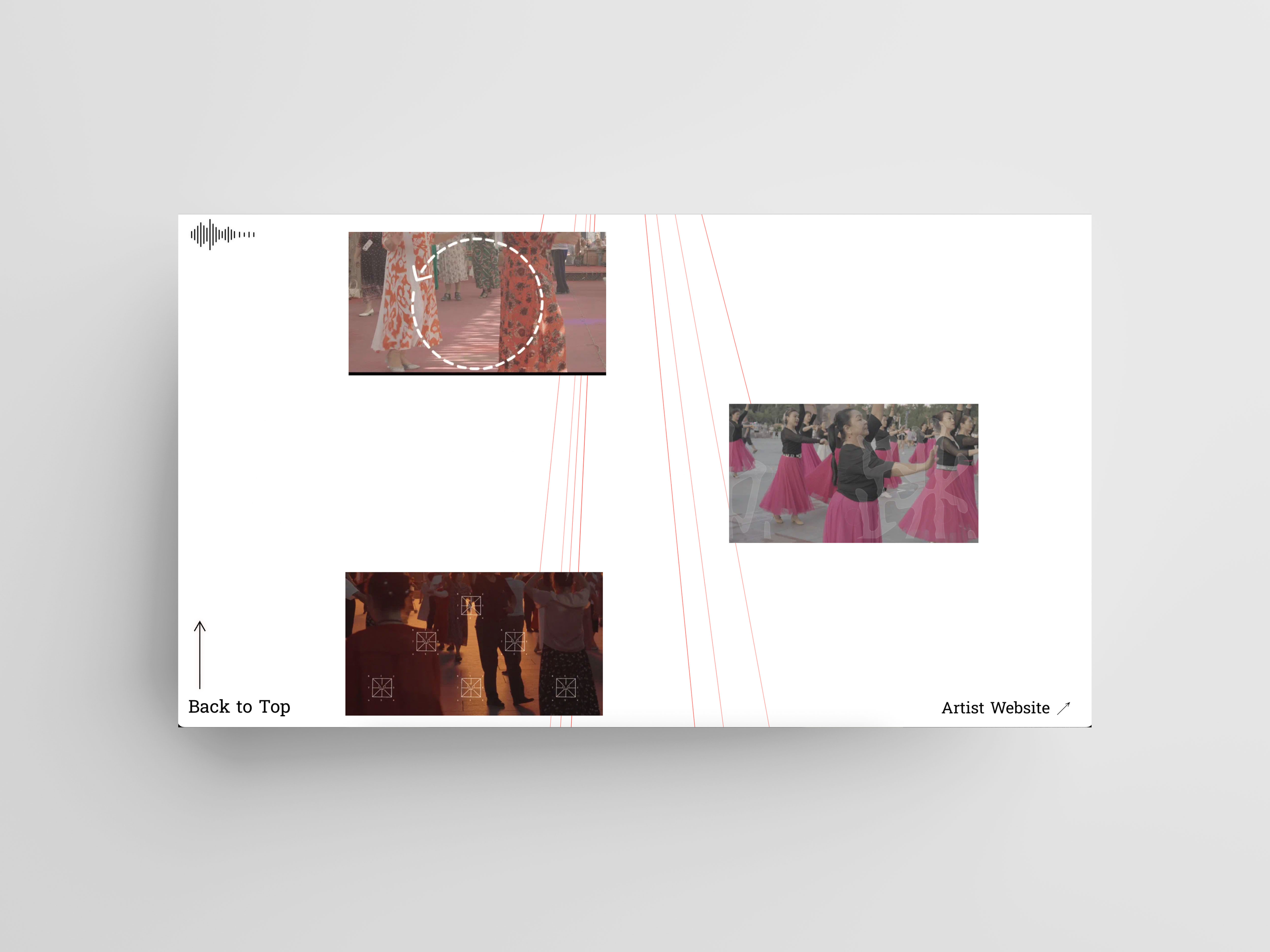
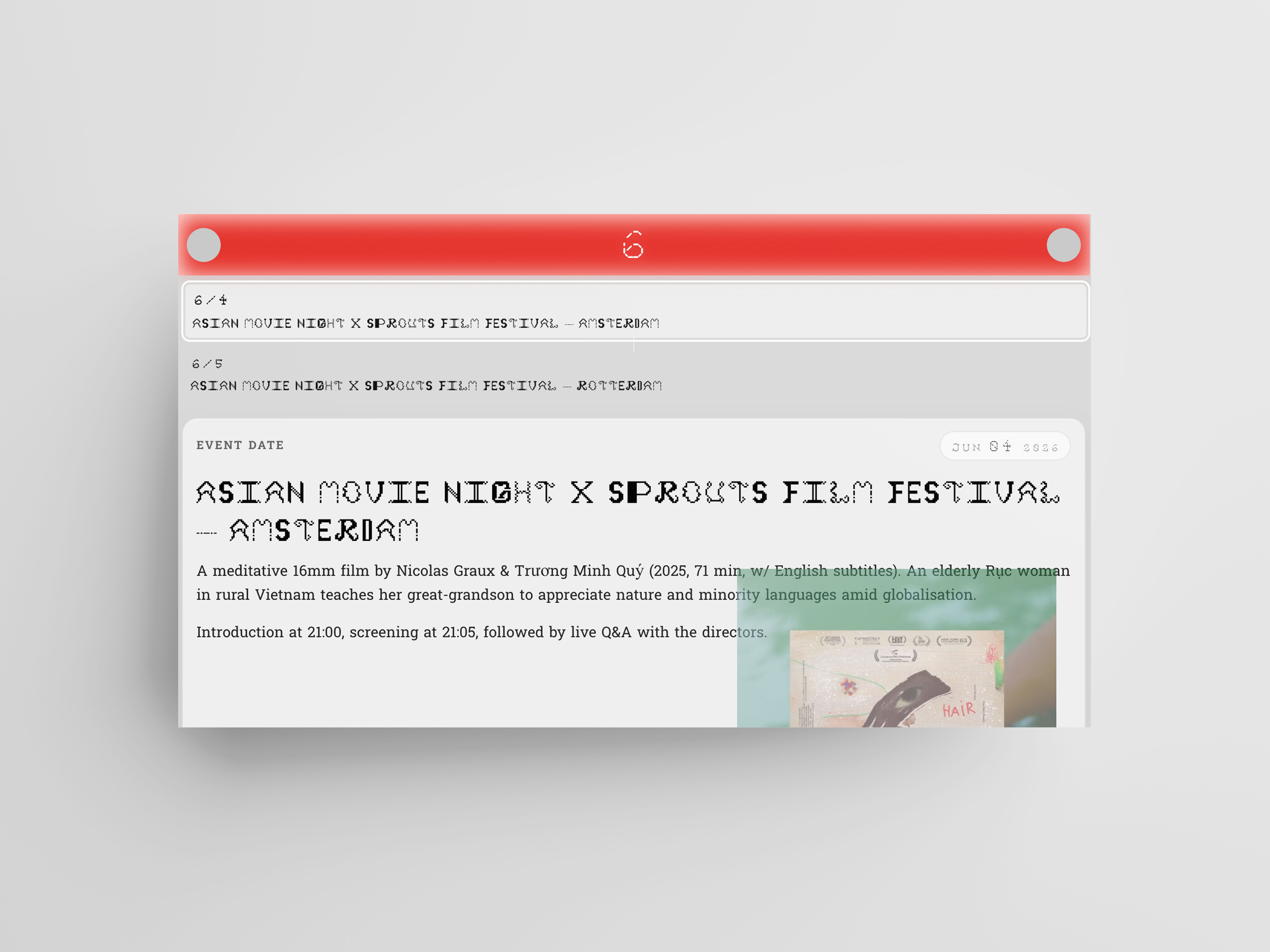
Imaginary Rescripting
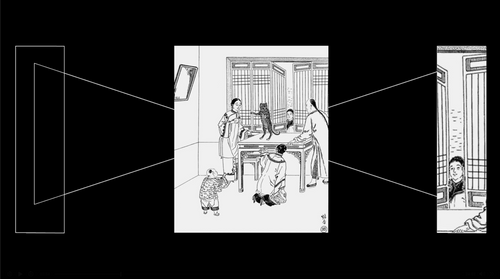
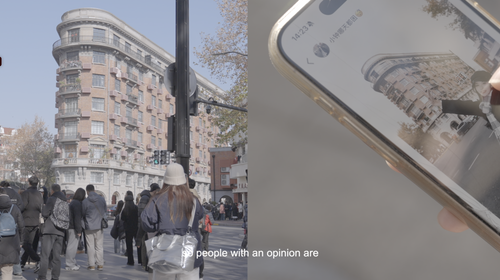
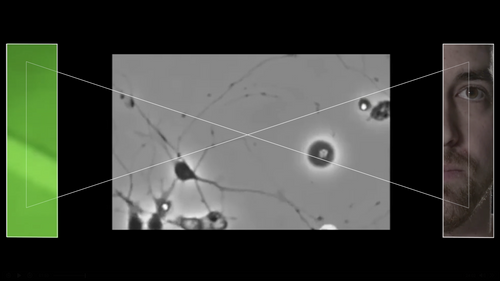
Drawing on the concept of ‘Imagery Rescripting’ in psychotherapy, this essay film examines the pathology of collective memory in the digital age. By tracing the visual lineage from late Qing Dynasty pictorials to today’s social media in China, the film exposes how historical trauma from WWII is not healed but ‘rescripted’ into a narrative of hatred. It questions how digital platforms exploit these deep-seated scars to manufacture a hallucinated reality of the ‘Other.’
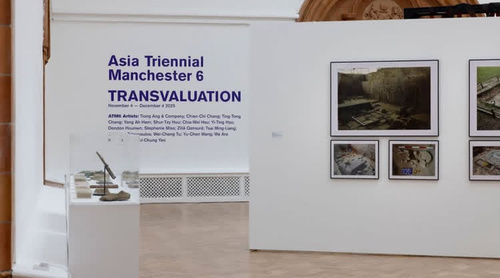
The work has been screened and exhibited internationally, with recent presentations including the Chinese Film Festival Hamburg (2026, Hamburg); ATM6: Transvaluation, Asia Triennial Manchester (2025, UK); bore, a group exhibition at Dutch Design Week (2025, Eindhoven); the Chinese Short Film Program at Droog (2025, Amsterdam); HIVE Film Festival (2025, Berlin); Imaginary Rescripting at LAB111 (2025, Amsterdam); the Gjon Mili International Video Art Festival (2025, New York); The Void Reenactment at ZK/U Center for Art and Urbanistics (2025, Berlin); and Imaginary Rescripting × Living Room Session at Felix Meritis (2025, Amsterdam).
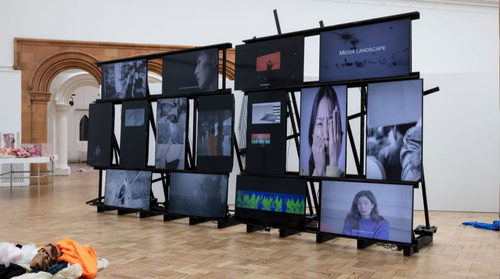
Objects in the mirror are closer than they appear
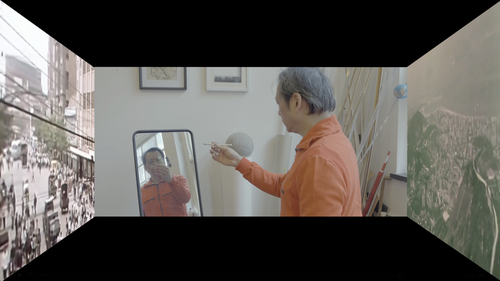
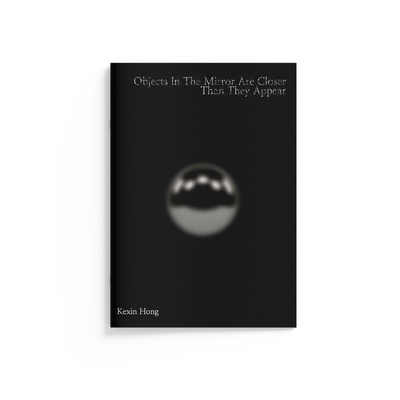
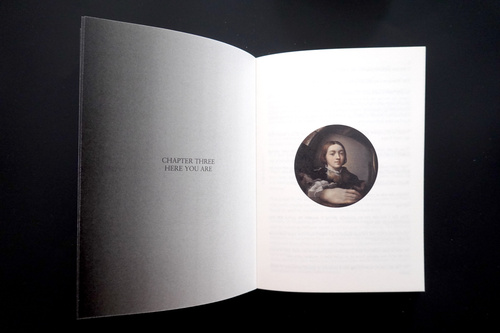
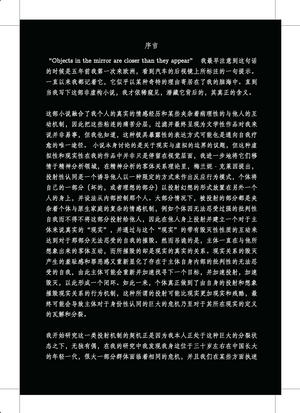
Objects In the Mirror Are Closer Than They Appear is an art video developed from Kexin’s fictive I-novel to prompt reflection on simulation hypothesis and selfhood in the post-truth era of the virtual world. Kexin realizes that virtual reality extends beyond mere visual perception, but also intersects with psychosocial and self-projection mechanism. In the realm of social psychology, the utilization of self-projection has the potential to destroy our relationship in real life.
Adapted from the novel, Kexin harnessed its structural essence to craft a 20-minute desktop film, which serves as a reflective medium mirroring the narrative arc of her novel. This film is not merely a component of the novel, but also a tangible manifestation of the imaginative realm within which the novel is contextualized. Through this multimedia convergence, a symbiotic narrative space emerges, enhancing the depth and breadth of the storytelling experience.
The film allows Kexin to comment on gaze relations in locating the so-called truth — it is this distance that makes “truth” easier to produce and control.
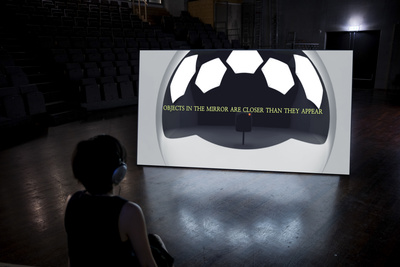
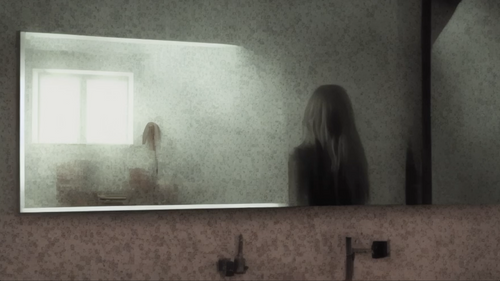
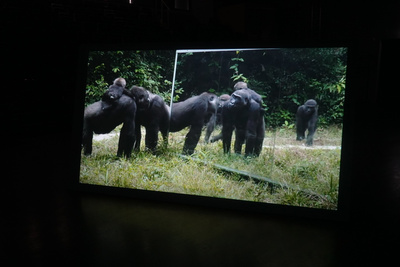
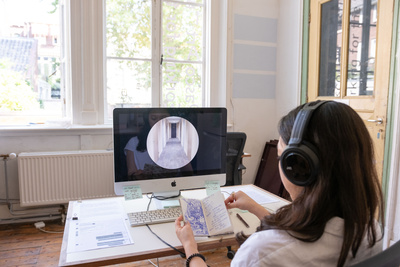
Objects in the Mirror Are Closer Than They Appear / 镜中人
The novel describes a protagonist who is suddenly unable to perceive her own reflection in real life and begins instead to project her missing sense of self onto an online character. This virtual other gradually becomes the fictional reality through which the protagonist confirms her identity. In the end, she disappears without a trace, leaving uncertainty as to whether she ever existed at all.
“Objects in the Mirror Are Closer Than They Appear” — this phrase is frequently displayed on rear-view mirrors of vehicles as a cautionary reminder to drivers regarding the disparity between perceived distance and actual distance of objects. In this novel, Kexin utilises its optical phenomenon as a metaphor to portray digital platforms in the post-truth era as convex mirrors and mediators that reflect various aspects of reality onto a nonfiction dimension.
Whose craft crafting aircraft?
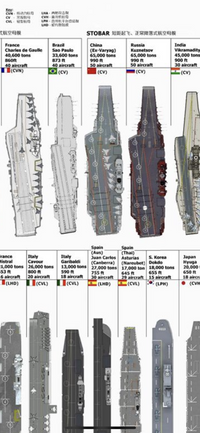
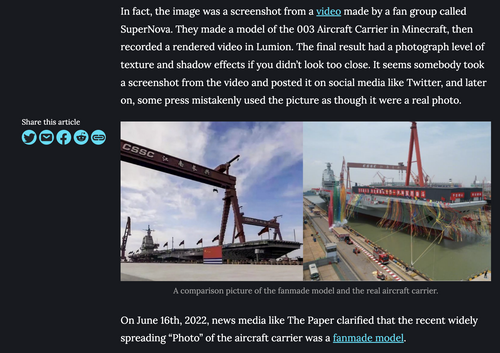
Grounded in Deleuze’s theory of the control society, Whose Craft Crafting Aircraft? constructs a digital media archaeological site that interrogates the interplay between digital aesthetics, technological power, and authenticity.
The work deconstructs LCD screens to expose the indium tin oxide layer — the invisible infrastructure through which images are transmitted and controlled. By foregrounding this material substrate, the installation asks: who authors the images we consume, and at what cost?
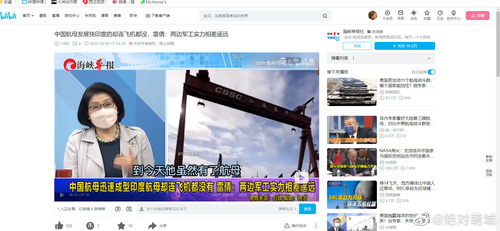
The title is borrowed from a Minecraft community meme, juxtaposing the logic of a sandbox game — infinite construction from finite blocks — against Taiwan’s TSMC semiconductor manufacturing: a geopolitical flashpoint where pixel and silicon, simulation and sovereignty, converge. Through Baudrillard’s lens of simulacra, the work proposes that the pixel matrix is not merely a representation of power but its very medium.

Staff Only
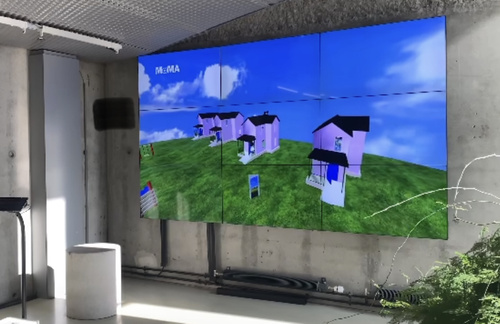
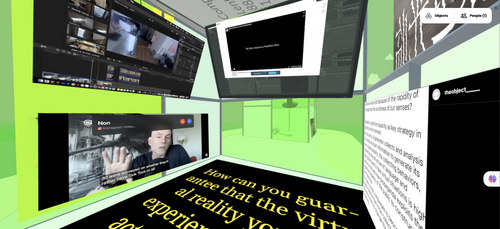
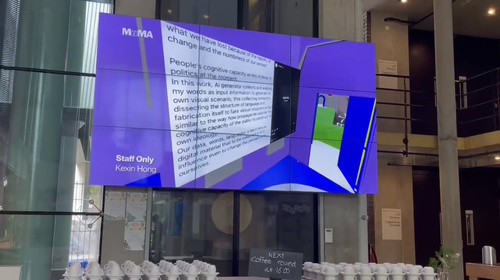
What if the reality you perceive as virtual belongs to someone else? What if your perception of reality is shaped by what you consider virtual?
Through an interactive digital display, Kexin switches the roles of subject and object, offering a third perspective on our reality shaped by vast data surveillance. The work was developed during the Portal Park Online Web Residency, hosted by MaMA Rotterdam and Het Nieuwe Instituut.
The Toughest Vulnerability
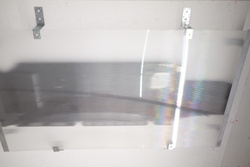
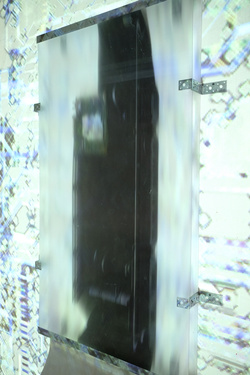
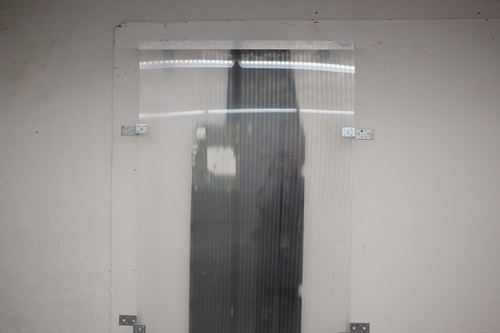
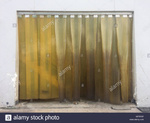
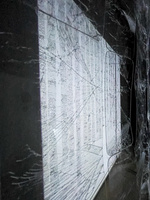
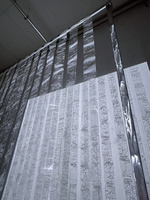
The installation is constructed from toughened glass film — the protective material commonly applied to the screens of iPhones and Huawei devices. Born in Chinese factories, this film is both practical and deeply symbolic: it is designed to absorb impact without shattering, transferring stress into the film itself rather than the screen beneath.
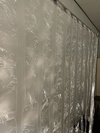
An electric motor slowly oscillates the suspended grid of glass film, catching light and casting fragmented reflections across the space. The never-shattering surface becomes a metaphor for a particular mode of national resilience — one that absorbs rupture and redirects it, transforming vulnerability into an aesthetic of invulnerability.
The work asks: what does it mean to be protected by something made to never break? And what forms of grief, dissent, or complexity are quietly absorbed — and never expressed?
Scorching Whisper
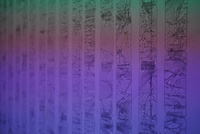
What are we really losing as this rapidly changing aesthetic technology overruns our lives? Are we giving those losses enough time to mourn?
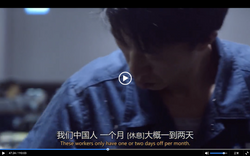
Drawing on Lacan’s notion of the “missed encounter,” the work explores how AI-generated imagery produces a state of hyperaesthesia — a sensory oversaturation that simultaneously overwhelms and numbs. The endless proliferation of synthetic images mimics the logic of propaganda: not through explicit content, but through the sheer accumulation of stimuli that forecloses reflection.
Scorching Whisper asks what happens to memory, grief, and attention in an image environment that never pauses.
0am/12pm
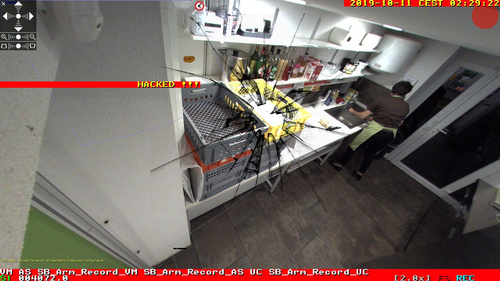
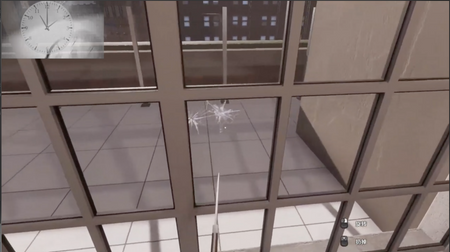
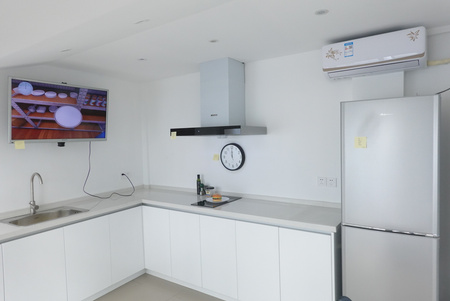
The work is presented in a kitchen. When a domestic scene becomes both vehicle and material of the work, has it dissolved the boundary between reality and virtuality?
The video depicts a game-like loop set in a kitchen at two impossible hours — 0am and 12pm — the transitional thresholds of night and noon. A character attempts to escape an endless cycle, only to find the cycle is the condition of existence. The reality is the endless cycle.
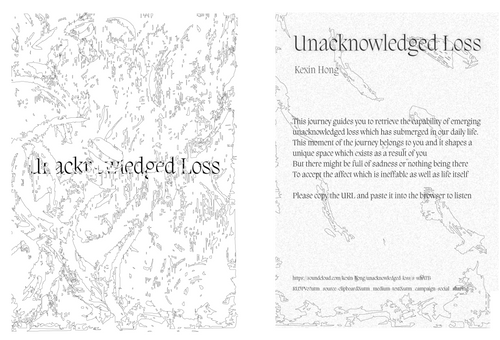
Unacknowledged Loss
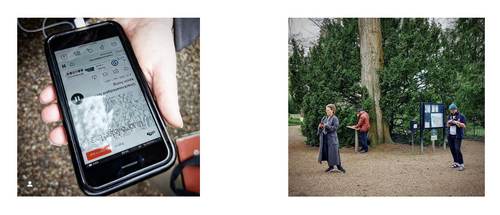
The concept of unacknowledged loss stems from the psychological term disenfranchised grief — grief that is not openly acknowledged, publicly mourned, or socially supported. The work stages this condition as a live audio performance transmitted via WhatsApp voice messages, mediated through real-time translation software.
The sound of keyboard typing punctuates the transmission, foregrounding the labour of communication across language and distance. Loss is even a gain.
Natural View
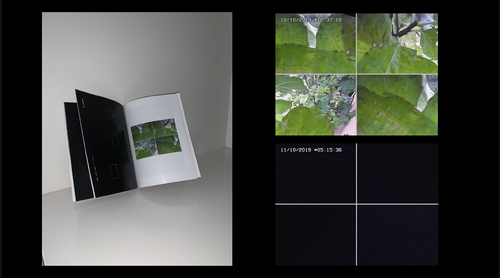
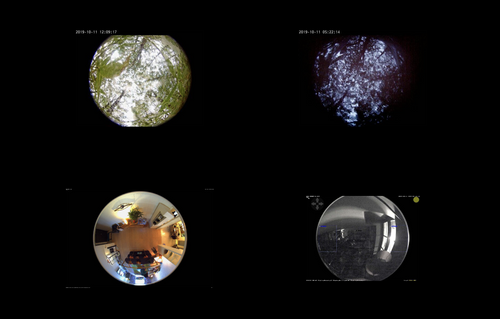
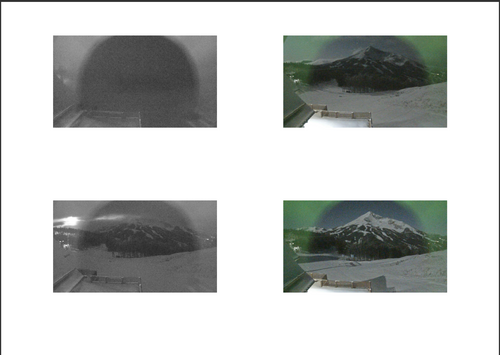
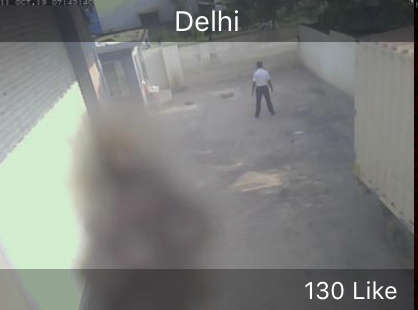
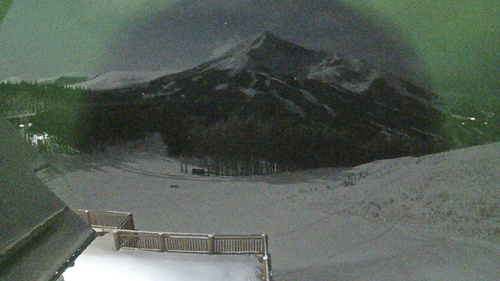
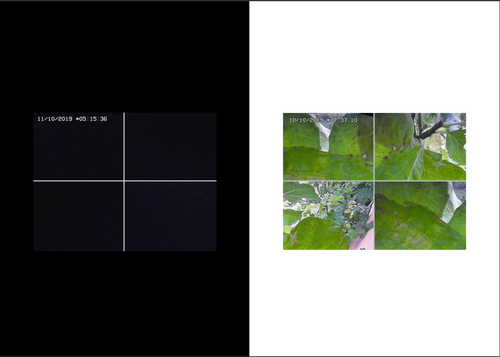
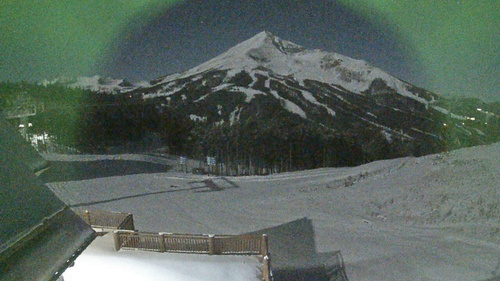
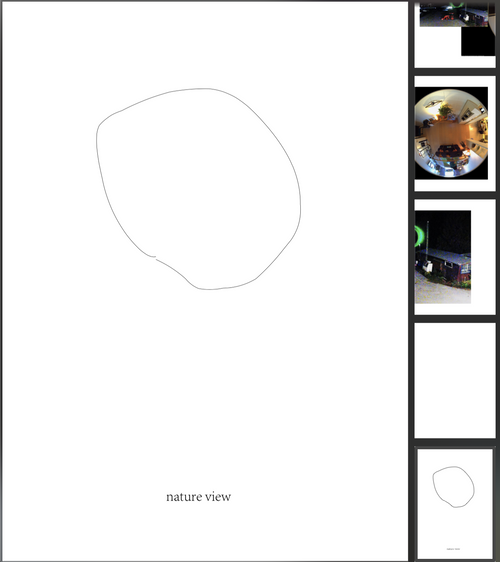
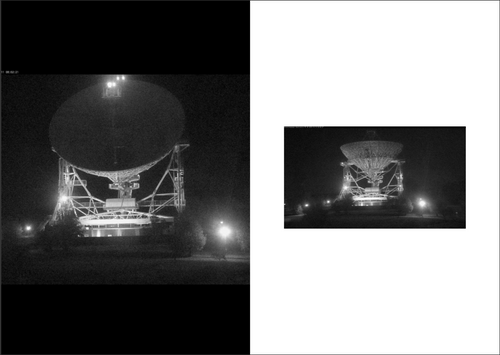
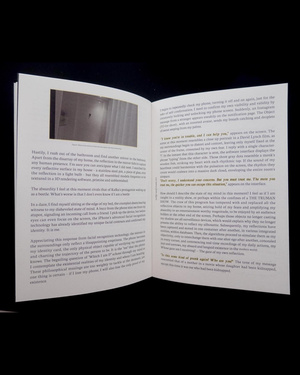
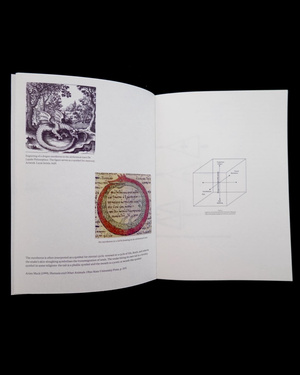
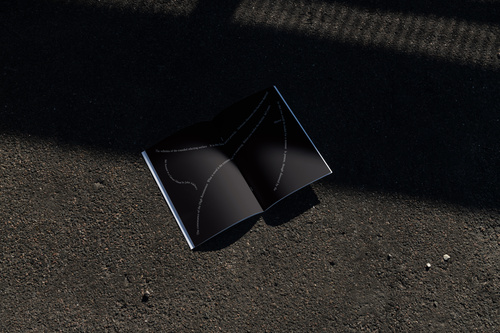
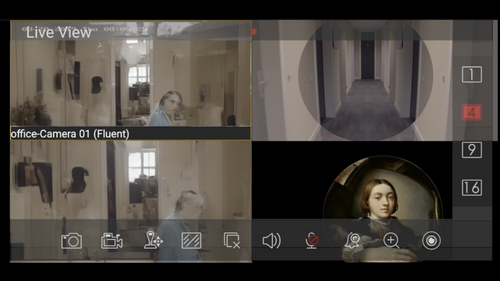
Every image in this work is sourced from real-time CCTV surveillance footage. By composing the entire visual field from these live feeds, the piece immerses viewers in a space where observation becomes both medium and message.
The resulting book resembles a landscape photography collection — pastoral, wide, unhurried — yet every frame is extracted from infrastructure designed for monitoring. The work questions authorship, visibility, and the aestheticisation of the surveilled world.